
Pico Laser Tattoo Removal: How It Works, Recovery, and What to Expect
A tattoo can feel permanent, but the ink is not as untouchable as it seems. Modern laser treatment can break tattoo pigment into tiny fragments so the body can clear it over time. Pico laser technology is one of the most talked-about options because it works in extremely short pulses and can treat many ink colors with less heat than older laser systems.
Tattoo removal still takes patience. Even with advanced devices, most tattoos fade over a series of visits rather than disappearing after one appointment. Ink depth, color, age, skin tone, location on the body, and aftercare all affect the result.
This guide explains how Pico laser tattoo removal works, why multiple sessions are usually needed, what recovery can look like, and how to decide whether it may be a good fit.
How Pico laser tattoo removal works
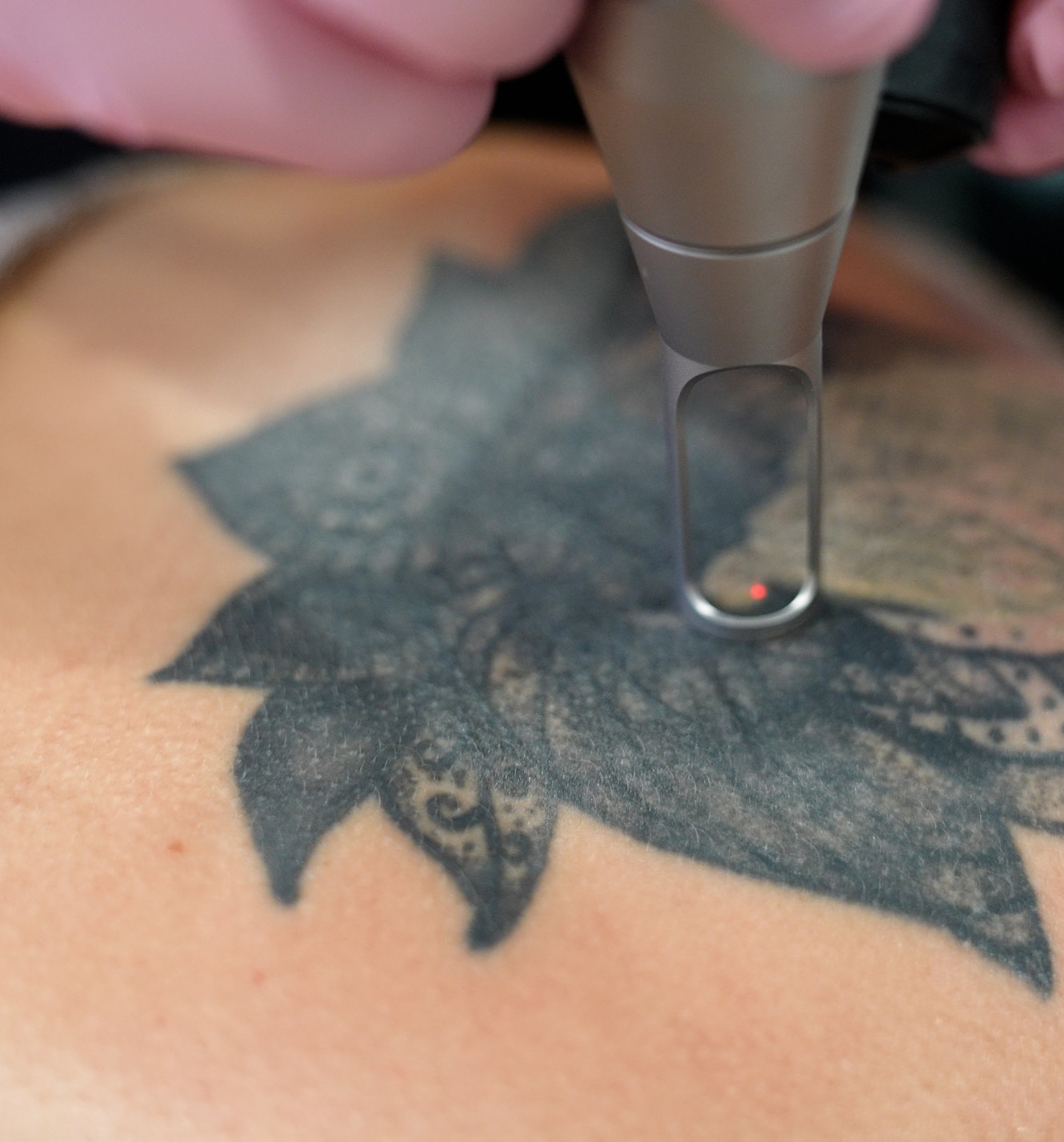
Pico lasers use very short bursts of light energy measured in picoseconds. A picosecond is one trillionth of a second. That short pulse is the key difference between Pico technology and older nanosecond lasers.
Tattoo ink sits in the dermis, the layer of skin below the surface. The body sees tattoo pigment as foreign material, but many ink particles are too large for immune cells to remove easily. The laser sends focused light into the skin, where the tattoo pigment absorbs the energy.
That energy creates a rapid photoacoustic effect. In plain terms, it produces a pressure wave that helps shatter larger ink particles into smaller pieces. Once the pigment is broken down, the body’s lymphatic system can gradually process and clear some of those tiny fragments.
Because pico pulses are so brief, they tend to rely more on this pressure effect and less on heat. That can mean less thermal stress on surrounding skin compared with some older approaches. It does not make the treatment painless or risk-free, but it can improve the way certain tattoos respond.
Different ink colours absorb different wavelengths of light. Black ink usually responds well because it absorbs a wide range of wavelengths. Other shades, such as green, blue, red, yellow, and white, may need specific settings or may be harder to fade. A trained provider chooses settings based on the tattoo, the skin, and the treatment goal.
A typical appointment often includes:
A skin and tattoo assessment
Photos to track fading over time
Eye protection
Cleansing the treatment area
A cooling method or numbing option, when appropriate
Laser passes over the tattoo
A dressing or aftercare product after treatment
The sensation is often described as quick snaps against the skin. Some areas hurt more than others, especially spots with thinner skin or more nerve endings. The session may be short for a small tattoo, while larger pieces can take longer or may be treated in sections.
Pico treatment does not “erase” a tattoo during the appointment. It starts a clearing process that continues for weeks after each session.
Why multiple tattoo removal sessions are usually needed
The most common surprise with tattoo removal is how gradual it is. A tattoo may look lighter after one treatment, but full removal, or even strong fading for a cover-up, usually takes several sessions.
There are a few reasons for that.
The laser can only treat part of the pigment at a time
Tattoo ink is not arranged in a flat, even layer. Pigment particles sit at different depths and densities in the skin. Some areas contain heavy ink saturation, while others are lighter. A safe laser session targets a portion of that pigment without over-treating the skin.
Trying to remove too much ink too quickly can increase the risk of irritation, blistering, scarring, or pigment changes. Good treatment plans respect the skin’s healing process.
The body needs time to clear broken ink
The laser breaks ink into smaller fragments, but your immune system does the clearing. That process takes time. The treated area may continue to fade for several weeks after the appointment.
Spacing sessions gives the body time to remove pigment and gives the skin time to recover. Providers often recommend waiting several weeks between treatments, though the exact timing varies based on the tattoo, skin response, and clinical judgment.
Tattoo details affect the number of sessions
No two tattoos fade in exactly the same way. Session count can be influenced by:
Ink color
Black and dark blue often respond better than light colors. Green, yellow, turquoise, and white can be more stubborn.
Ink density
Heavy, layered, or professional tattoos usually contain more pigment than fine-line or amateur tattoos.
Tattoo age
Older tattoos may have already faded slightly as the body slowly processes pigment over time.
Tattoo location
Areas with stronger circulation, such as the upper body, may respond differently than hands, feet, ankles, or lower legs.
Skin tone
Laser settings must account for melanin in the skin. Safer settings may require a more gradual approach, especially for skin that is more prone to hyperpigmentation or hypopigmentation.
Cover-ups
Cover-up tattoos often contain dense ink layers, which can take longer to fade.
Some people only need enough fading to make a new tattoo possible. Others want the cleanest removal they can safely achieve. Those goals change the treatment plan.

What to expect after Pico tattoo removal
The treated area will usually look and feel irritated right after treatment. That is normal. Many people notice redness, swelling, warmth, tenderness, or a raised “frosted” look on the tattoo. Frosting happens when tiny gas bubbles form in the skin after laser energy hits the ink. It usually fades fairly quickly.
In the hours and days after treatment, the area may feel similar to a mild burn or scrape. Some people develop pinpoint bleeding, crusting, bruising, blisters, or scabs. These reactions can be part of healing, but they need careful care.
Common short-term effects may include:
Redness and swelling
Tenderness or stinging
Temporary whitening or frosting
Mild bruising
Itching as the skin heals
Small blisters
Dryness, flaking, or scabbing
Avoid picking at scabs or popping blisters. Doing so can increase the risk of infection, scarring, and uneven pigmentation. If skin opens, keep the area clean and follow the instructions from the clinic.
How fading usually appears over time
Fading is not always even. A tattoo may fade in patches, with some colors breaking down faster than others. Lines can soften before filled areas fade. Dense sections may hold on longer.
After a session, the tattoo might look darker for a short time because of swelling or surface changes. Then fading can become more noticeable as the skin settles and the body clears pigment.
Progress photos help. Day-to-day changes can be hard to see, especially when removal takes months. Comparing images from before treatment and before each later session gives a more accurate view.
When to contact a provider
Most inflammatory reactions calm down with proper aftercare. Still, some signs need attention. Contact the treating clinic or a medical professional if there is spreading redness, worsening pain, pus, fever, red streaking, or swelling that gets significantly worse instead of better.
People with a history of keloids, poor wound healing, immune conditions, or certain skin disorders should discuss risks before treatment. Anyone who is pregnant, breastfeeding, taking photosensitizing medication, or using isotretinoin should also get medical guidance before booking.
This article is for general information only. It is not a diagnosis or personal medical advice.

Why aftercare matters
Laser tattoo removal is as much about healing as it is about the laser. The treatment creates controlled stress in the skin. Aftercare helps the skin recover while the immune system clears ink fragments.
Good aftercare can reduce irritation, lower infection risk, and support more even healing. Poor aftercare can lead to complications that delay the next session or affect the final result.
A provider’s instructions should always come first, but aftercare often includes these principles.
Keep the area clean and protected
The skin may be sensitive for several days. Gently cleanse the area as instructed, then pat it dry. Use the recommended ointment or dressing if directed. Avoid harsh scrubs, fragranced products, and exfoliating acids until the skin has healed.
If a dressing is applied, follow the timeline provided by the clinic. Keeping the area covered too long or not long enough can both cause problems, depending on the skin reaction.
Do not pick, scratch, or pop blisters
Itching can be frustrating, especially as the skin dries or flakes. Scratching can break the skin and increase infection risk. Picking scabs can also pull away healing tissue and make pigment changes more likely.
If itching is strong, ask the provider what is safe to use. A cool compress may help for some people, but it should be clean and used carefully.
Avoid sun exposure
Sun exposure is one of the biggest aftercare concerns. Treated skin is more prone to pigmentation changes. Tanning before or after laser treatment can also make future sessions less safe or less effective.
Keep the area covered when possible. Once the skin has healed enough for sunscreen, use a broad-spectrum sunscreen as directed. In Canada, this matters year-round, not only in summer. Snow glare and bright winter days can still expose skin to UV light.
Pause heat, friction, and soaking
For a short period after treatment, many providers recommend avoiding hot tubs, saunas, swimming pools, lakes, and baths. Soaking can irritate healing skin and expose it to bacteria. Heavy sweating and friction from tight clothing may also worsen irritation.
Showers are usually easier to manage than soaking, but follow the clinic’s advice. Let the skin heal before returning to activities that rub, heat, or stretch the treated area.
Support the body’s clearing process
No aftercare step can force ink to disappear overnight, but healthy habits can support healing. Hydration, sleep, balanced meals, and avoiding smoking can all help the body manage recovery.
The main goal is simple: protect the skin so it can do its job.
Is Pico laser tattoo removal right for you?
Pico laser treatment can be a strong option for many tattoos, but it is not the right choice for every person or every goal. A consultation is the best way to understand what is realistic.
A good provider should look at the tattoo and discuss:
Your medical history
Your skin type and tendency to scar or pigment
The tattoo’s colors, size, density, and location
Whether the goal is full removal or fading for a cover-up
Expected number of sessions
Possible side effects
Space between visits
Cost and payment structure
Aftercare responsibilities
Be cautious of guarantees. Tattoo removal results vary. Even strong fading may leave a faint shadow, color shift, or texture change. Some inks contain ingredients that respond unpredictably. White or flesh-toned ink can sometimes darken when treated, depending on the pigment.
Also ask about the exact device, provider training, and experience with different skin tones. The laser matters, but skill matters too. Settings that work for one tattoo may not be safe for another.
Good candidates often share a few traits
People tend to do better when they have realistic expectations and can follow aftercare closely. They also need patience. The process usually takes months, not days.
Pico treatment may be worth discussing if:
The tattoo no longer fits your style or life
You want to fade an old tattoo before a cover-up
You have colors that may respond to Pico wavelengths
You can avoid sun exposure on the area
You can commit to multiple appointments
You understand that complete removal is not guaranteed
It may not be ideal if the skin is currently sunburned, irritated, infected, or recently tanned. It may also need to wait if there is an active skin condition in the area or a medication that increases light sensitivity.

The main takeaway
Pico laser tattoo removal works by sending ultra-short pulses of light into tattoo pigment. The energy breaks larger ink particles into smaller pieces, then the body clears them gradually. That is why removal usually needs several sessions and why changes continue between appointments.
Recovery can include redness, swelling, tenderness, itching, scabbing, or small blisters. Most of the time, these effects are manageable with careful aftercare. Protecting the skin from sun, friction, soaking, and picking can make a meaningful difference in healing.
The best next step is a careful consultation with a qualified provider. Bring your questions, share your health history, and ask for a realistic plan based on your tattoo, your skin, and your goal. A safe, steady approach gives the skin the best chance to heal well and fade evenly.
At Arga Light Laser & Skin Care, we assess the skin, tattoo pigment, color, depth, and relevant treatment history before recommending an individualized treatment approach.


Comments